
There is something undeniably alluring about an imported car. Perhaps it is a Japanese Toyota Hilux with low mileage and a spotless service history. Maybe it is a European Mercedes-Benz E-Class, finished in a rare colour never officially sold in your country. Or perhaps it is simply the promise of a better deal—a luxury vehicle at a fraction of its local market price. Whatever the draw, the decision to buy an imported car is not one to be taken lightly. While the rewards can be significant, the road to ownership is often paved with paperwork, unexpected costs, and careful considerations. This guide will walk you through the pros and cons, helping you determine whether an imported vehicle is the right choice for your needs and budget.

Understanding the Two Types of Imports
Before examining the advantages and disadvantages, it is essential to understand that not all imported cars are the same. Broadly speaking, they fall into two categories.
A parallel import is a vehicle sourced from a market with similar regulations to your own. For example, a car built for the German market and sold in the United Kingdom. These vehicles often meet local safety and emissions standards with little or no modification required. A grey import, on the other hand, is a vehicle sourced from a market with entirely different regulations, such as a Japanese domestic market car imported into Africa or Europe. Grey imports often offer unique specifications and lower prices but typically require significant modifications to meet local compliance standards. Understanding this distinction is the first step in evaluating any potential purchase.
The Pros: Why Buyers Choose Imported Cars
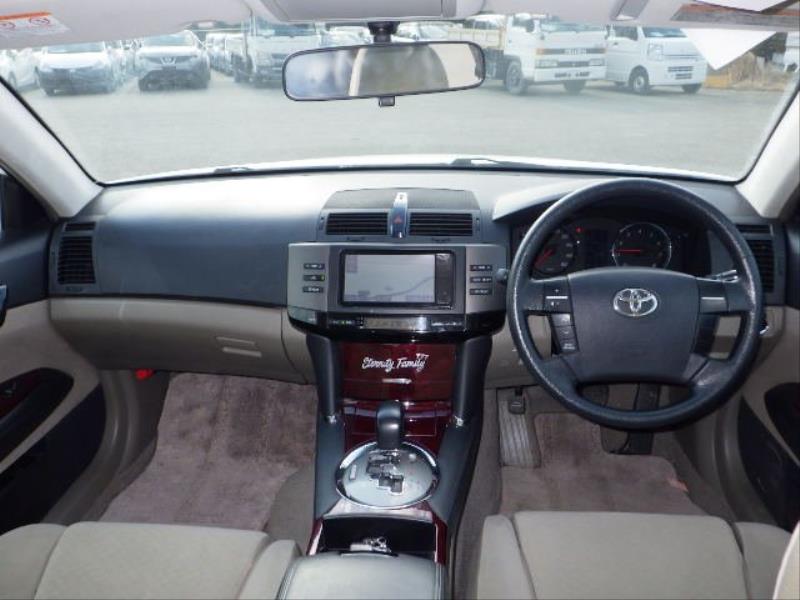
Access to Unique and Rare Models
The most compelling reason to import a car is the opportunity to own something truly unique. Enthusiasts seeking a specific model, engine configuration, or trim level that was never officially sold in their home country often have no choice but to look abroad. Japanese domestic market vehicles, for instance, are famous for their higher specifications, advanced technology, and exceptional condition. For the passionate driver, an import is not merely a purchase—it is the realisation of a dream.
Potential Cost Savings
In many cases, importing a car can be significantly cheaper than buying an equivalent model locally. This is particularly true for vehicles that carry a premium in your home market due to limited availability or high demand. A Land Cruiser sourced from a market with a weaker currency valuation, for example, may cost substantially less even after factoring in shipping, duties, and compliance modifications. For buyers willing to invest time and patience, the financial savings can be substantial.
Lower Mileage and Superior Condition
Vehicles imported from countries with stringent vehicle inspection cultures, such as Japan or Germany, often arrive in exceptional condition. Regular servicing is mandatory, and owners are diligent about maintenance. It is not uncommon to find a ten-year-old Japanese import with lower mileage and cleaner mechanical condition than a five-year-old locally sold vehicle. For the discerning buyer, this represents outstanding value.
Greater Selection and Choice
The local market is, by definition, limited to what manufacturers and official dealers choose to offer. Importing opens the door to a global inventory. Whether you are seeking a petrol-powered Mercedes-Benz in a market flooded with diesel variants or a rugged off-road specification Jeep not available locally, importing grants you access to the world.
The Cons: The Hidden Costs and Complexities
Regulatory and Compliance Hurdles
The single greatest challenge of importing a car is ensuring it meets your country’s legal requirements. Vehicles built for one market may lack mandatory safety features required in another. Headlights may beam on the wrong side of the road. Emissions control systems may not comply with local standards. Modifying a vehicle to meet compliance can be expensive and time-consuming, and in some cases, it may simply not be possible. Failure to navigate this process correctly can result in a vehicle that sits idle, unable to be registered or driven.
Difficulty Sourcing Spare Parts
When you own a vehicle that was never officially sold in your country, you cannot simply walk into a local dealership and order a replacement part. Every component, from brake pads to body panels, must be sourced from overseas. This leads to longer wait times, higher shipping costs, and the constant anxiety of being unable to source a critical part when you need it most. For daily drivers, this reality can become a persistent frustration.
Higher Insurance Premiums
Insurance companies assess risk based on data. When a vehicle model is uncommon in your market, there is limited data on repair costs, theft rates, and accident statistics. As a result, insurers often classify imported vehicles as higher risk and charge significantly higher premiums. Some insurers may refuse to cover grey imports altogether. Securing affordable insurance requires persistence and, often, acceptance of higher costs.
Poor Resale Value
The same uniqueness that attracts you to an imported vehicle may deter future buyers. When the time comes to sell, you will face a smaller pool of potential purchasers—many of whom will share the same concerns about parts availability, compliance, and insurance. Depreciation on imported vehicles is often steeper and faster than on locally sourced equivalents. What you gain on the purchase price, you may lose on the resale value.
Warranty Limitations
Manufacturer warranties are typically regional. A warranty valid in Japan is not valid in Uganda, Kenya, Nigeria, or the United Kingdom. If a fault develops shortly after your import arrives, you bear the full cost of repair. Even certified pre-owned programmes do not transfer across borders. You are, in essence, purchasing the vehicle without the safety net that accompanies a local sale.
The Import Process: What to Expect

For those who decide to proceed, understanding the import process is essential to avoiding costly mistakes.
Begin with thorough research. Confirm that the specific model you wish to import can be legally registered in your country. Contact your local transport authority and obtain a definitive list of requirements. Do not rely on forum advice alone.
Engage a reputable import agent. A skilled agent with local knowledge and established networks can navigate customs clearance, duty calculations, and compliance modifications on your behalf. Their fee is an investment in peace of mind.
Secure comprehensive documentation. You will require the original invoice, certificate of title, export certificate, and a detailed vehicle history report. Any gap in documentation can delay clearance or result in seizure.
Budget for hidden costs. Beyond the purchase price and shipping, you must account for import duties, value-added tax, port handling fees, compliance modification costs, and inspection fees. A rule of thumb is to add 30-50% to your initial budget.
Arrange insurance before registration. Many insurers require a vehicle identification number and proof of ownership before providing cover. Securing insurance in advance ensures you are protected from the moment the vehicle is in your possession.
Is an Imported Car Right for You?
An imported car can be a wonderful choice for the right buyer. If you are an enthusiast seeking a specific model unavailable locally, or a bargain hunter willing to invest time and patience for significant savings, the rewards can outweigh the risks. The vehicle you import may be cleaner, better specified, and more affordable than anything you could purchase locally.
However, if your priority is hassle-free ownership, predictable maintenance, strong resale value, and comprehensive warranty protection, a locally sourced vehicle is almost certainly the wiser choice. The convenience of walking into a local dealership for parts, the peace of mind of a recognised service history, and the confidence of a vehicle designed specifically for your market are benefits that should not be underestimated.
Trust Jemerto Motors for Expert Guidance
At Jemerto Motors, we understand the appeal of imported vehicles. We also understand the risks. Whether you are considering importing a vehicle or seeking a reliable, locally sourced alternative, our team is here to provide honest, expert advice tailored to your needs and budget.
We specialise in Toyota, Jeep, and Mercedes-Benz, offering genuine OEM parts, professional servicing, and comprehensive fleet management solutions. If you already own an imported vehicle and struggle with parts sourcing or maintenance, we can help source authentic components and ensure your car remains safe, reliable, and roadworthy.