
Understanding the car service schedule in Uganda is essential for maintaining vehicle performance, improving fuel efficiency, and preventing costly mechanical failures. Due to local driving conditions such as dust, traffic congestion, and variable road quality, vehicles often require more frequent servicing than standard manufacturer recommendations.
Understanding Manufacturer Service Intervals
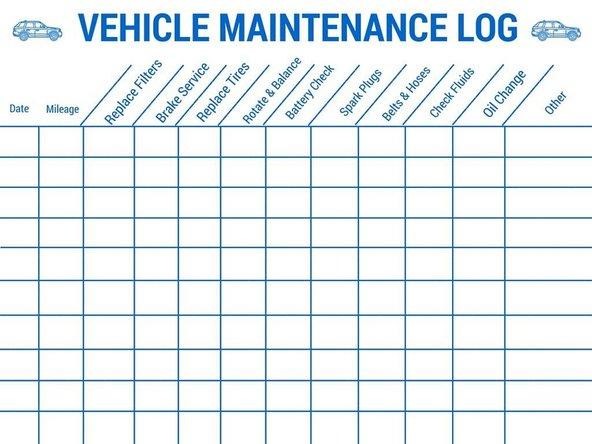

Vehicle servicing is often treated as a routine obligation defined strictly by manufacturer guidelines. However, in practice, servicing intervals are influenced by a combination of factors, including driving conditions, environmental exposure, fuel quality, and driver behavior. In Uganda, where vehicles operate across a wide range of terrains from smooth highways to dusty, uneven murram roads, these factors significantly alter how frequently a car should be serviced.
You need to Understand how local conditions affect vehicle wear is essential for maintaining performance, ensuring safety, and avoiding costly mechanical failures.
Automotive manufacturers typically recommend servicing a vehicle every 5,000 to 10,000 kilometers. These intervals are based on controlled environments where road conditions are stable, fuel quality is consistent, and vehicles are not exposed to excessive dust or prolonged traffic congestion.
In Uganda, these assumptions rarely hold. Vehicles are frequently subjected to harsh conditions that accelerate wear and degradation. As a result, relying solely on manufacturer recommendations without considering local realities can lead to under-service and increased mechanical risk.
The Impact of Engine Oil Degradation


Engine oil plays a fundamental role in lubricating internal engine components, reducing friction, and dissipating heat. Over time, oil breaks down due to thermal stress and contamination from dust and combustion byproducts.
In environments where dust is prevalent, microscopic particles can enter the engine system and mix with the oil, accelerating its degradation. Once the oil loses its viscosity and protective properties, it can no longer effectively prevent metal-to-metal contact within the engine. This leads to increased wear, higher operating temperatures, and eventually mechanical failure.
For vehicles operating in Uganda, it is advisable to change engine oil approximately every 5,000 kilometers, even if the manufacturer suggests longer intervals. In most cases, the car service mechanic indicates 4,000 kilometers less by 1,000 kilometers just to always not be late for the service in case you forget and go beyond 4,000 km.
Air Filtration and Its Effect on Engine Efficiency
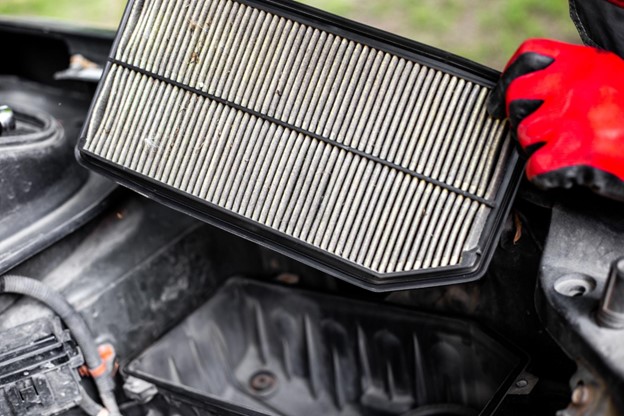


The air filtration system ensures that only clean air enters the engine for combustion. In dusty environments, air filters can become clogged much faster than expected. A restricted air filter reduces airflow, resulting in incomplete combustion and decreased engine efficiency.
This not only affects performance but also increases fuel consumption. Over time, it can contribute to carbon buildup within the engine, further reducing efficiency and increasing maintenance costs. Regular inspection and replacement of the air filter are therefore critical, particularly for vehicles frequently driven on unpaved roads.
Brake System Wear in Urban and Rural Conditions
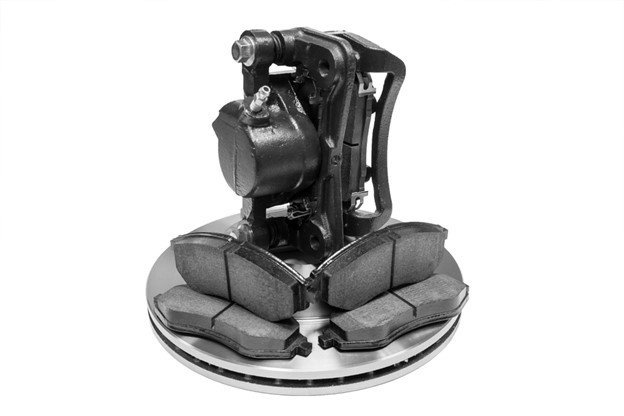

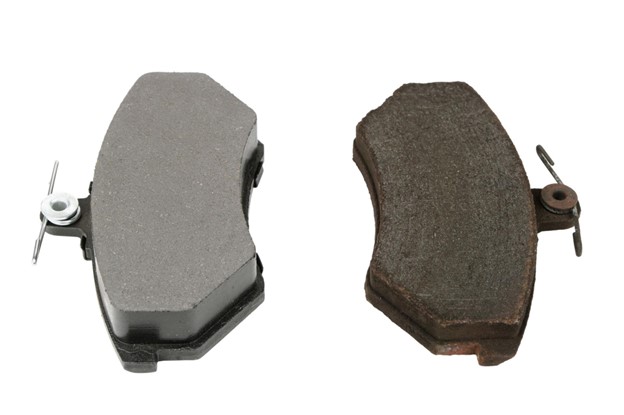
The braking system is subjected to continuous stress, especially in urban areas with heavy traffic. Frequent stopping and starting generate heat, which accelerates wear on brake pads and discs. In addition, rough roads can introduce vibrations that lead to uneven wear patterns.
Brake fluid also plays a crucial role in maintaining braking performance. Over time, it can absorb moisture from the environment, reducing its effectiveness and potentially compromising safety. Regular servicing ensures that both mechanical and hydraulic components of the braking system remain reliable.
Cooling System Demands and Overheating Risks


The cooling system is responsible for maintaining the engine’s operating temperature. In Uganda’s warm climate, combined with long-distance driving, this system is under constant strain. Coolant levels, radiator condition, and hose integrity must all be monitored regularly.
When the cooling system is not properly maintained, the risk of overheating increases significantly. Overheating can lead to severe engine damage, including warped components and gasket failure. Routine servicing allows for early detection of potential issues, reducing the likelihood of breakdowns.
The Economic Impact of Regular Servicing
Regular vehicle servicing should not be viewed as an expense but as a cost-saving measure. Preventive maintenance addresses minor issues before they escalate into major mechanical failures. For example, replacing worn brake pads is significantly less expensive than repairing damaged brake discs or dealing with an accident caused by brake failure.
Similarly, maintaining clean engine oil and air filters improves fuel efficiency, reducing overall operating costs. In the long term, a well-maintained vehicle retains higher resale value and delivers more reliable performance.
Conclusion
Servicing a vehicle in Uganda requires a practical and adaptive approach that accounts for local driving conditions. While manufacturer guidelines provide a useful baseline, they must be adjusted to reflect the realities of dust, traffic, and climate.
By adopting shorter service intervals, paying close attention to critical systems such as engine oil, air filtration, brakes, and cooling, and prioritizing preventive maintenance, drivers can significantly extend the lifespan of their vehicles while maintaining optimal performance.
For professional servicing tailored to Ugandan conditions, Jemerto Motors offers comprehensive maintenance and inspection services designed to keep your vehicle operating efficiently and safely.