
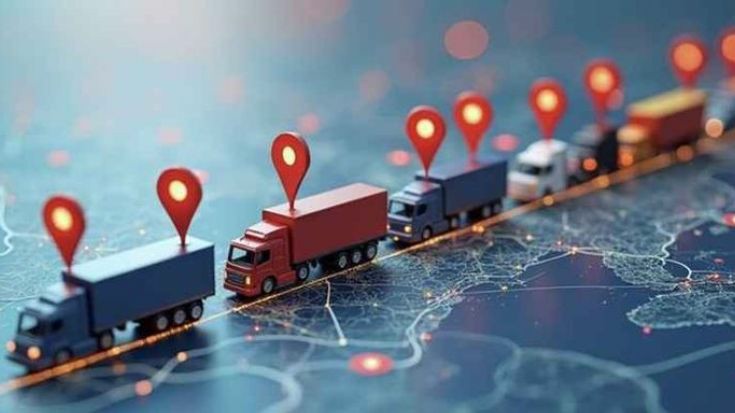
The future of fleet management is centered on deeply integrated technologies that transform operations from reactive to proactive. As of 2026, GPS, IoT, and Automation work as a unified system, using real-time data to automate decisions, predict issues, and optimize every aspect of fleet performance for significant gains in efficiency, cost, and safety.
The table below summarizes how these core technologies have evolved to create this intelligent, interconnected system.
| Technology | Traditional Role | Future & Integrated Role (2025 & Beyond) |
| GPS Tracking | Basic real-time vehicle location on a map | Foundation for proactive operations; integrates with compliance & service workflows for automated alerts & resolution |
| IoT Sensors | Limited data points on vehicle diagnostics | Comprehensive real-time data ecosystem; monitors engine health, cargo conditions, & driver behavior via advanced telematics |
| Automation & AI | Manual analysis and decision-making by managers | Predictive, self-optimizing systems; AI & machine learning automate maintenance, routing, and driver coaching |
The Operational Impact: Efficiency, Safety, and Savings
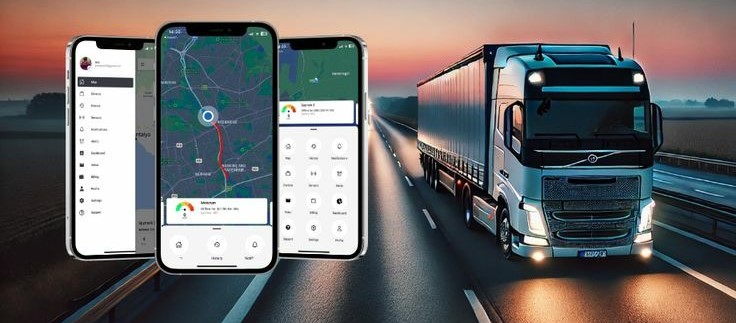
The integration of GPS, IoT, and automation delivers powerful, practical benefits that directly address the biggest challenges in fleet management today.
- 📈 Dramatic Cost Reduction: These technologies target the largest fleet expenses. IoT-driven route optimization and idle-time detection can reduce fuel consumption by 10-15%, a major saving given fuel price volatility. Furthermore, AI-powered predictive maintenance can cut unexpected breakdowns by 25% and lower repair costs by 20%, preventing costly roadside emergencies and extending vehicle lifespan.
- 🛡️ Enhanced Safety and Compliance: Safety is being revolutionized through data. AI-based driver behavior analysis monitors speed, braking, and acceleration, allowing for targeted coaching that has been shown to reduce accident-related costs by 22%. GPS and IoT also automate compliance, using electronic logging devices (ELDs) to track driver hours and ensure vehicle inspections are completed digitally, reducing violations and administrative burdens.
- ⚙️ Maximized Operational Efficiency: Automation streamlines workflows from dispatch to delivery. Real-time GPS tracking allows for dynamic rerouting around traffic, saving time and ensuring on-time deliveries. For managers, automation eliminates manual tasks; for example, a defect reported via a digital inspection can automatically generate a repair work order, slashing coordination time and vehicle downtime.
A Guide to Preparing Your Fleet
Transitioning to a future-ready fleet requires a strategic approach. Here are key steps to get started:
- Invest in the Right Foundation: Begin with modern IoT devices and sensors that provide insights into fuel usage, engine health, and location. Choose AI-driven fleet management software that goes beyond simple tracking to offer predictive maintenance, driver behavior reporting, and intelligent routing.
- Prioritize Integration and Security: Select platforms that integrate well with your existing systems to break down data silos. Ensure robust cybersecurity measures like encryption and secure communication channels are in place to protect sensitive operational data.
- Focus on People and Training: Technology is only as good as the people using it. Train your drivers on how to use new tools and understand feedback from the system, as their buy-in is critical for success. Equip your managers with the skills to interpret data and act on AI-driven insights.
- Consider a Strategic Partner: For many businesses, working with a trusted fleet service provider can simplify the adoption of new technologies, offering ongoing support and ensuring your systems remain up-to-date.
The gap between fleets that adopt these technologies and those that do not is widening. By starting your planning and implementation now, you can build a more resilient, efficient, and competitive operation.
I hope this overview provides a clear picture of the future of fleet management. If you have a specific area, such as predictive maintenance or driver safety programs, that you’d like to explore in more detail, please feel free to ask.