

Learning how to avoid scams when buying a used car is essential in today’s automotive marketplace, where both legitimate sellers and fraudulent actors operate across physical dealerships and online platforms. The used vehicle market offers significant cost advantages compared to new vehicles, but it also exposes buyers to risks such as misrepresented vehicle history, concealed mechanical defects, falsified ownership documents, and payment fraud.
In emerging markets and high-demand environments, these risks can be amplified due to informal sales channels and limited verification systems. Buyers who lack structured due diligence processes often rely on visual inspection or seller assurances, which are insufficient for detecting sophisticated scams. A disciplined, verification-driven approach covering documentation, vehicle identity, condition assessment, and transaction security is required to mitigate these risks.


How to Avoid Scams When Purchasing a Used Vehicle – The First Line of Defence
Before you even look at a car, establish a mindset of cautious curiosity. Scammers rely on urgency and emotional pressure. If a deal seems too good to be true, it almost always is. Always ask for the vehicle’s history report and the seller’s identification. Legitimate sellers will not rush you or refuse basic documentation.
Verify the Vehicle’s Identity
Every car has a unique Vehicle Identification Number (VIN), usually visible through the windshield on the driver’s side. Compare this number with the one on the registration certificate and the seller’s identity documents. A mismatch is a clear red flag. Scammers sometimes clone a legitimate car’s identity onto a stolen or damaged vehicle. You can run the VIN through a service like CARFAX or the National Insurance Crime Bureau to check for theft or salvage history.
Request a Full Vehicle History Report
A comprehensive history report reveals past accidents, flood damage, odometer readings, and title issues. Do not rely on a report provided by the seller; ask for the VIN and purchase your own report from a reputable provider. If the seller refuses to share the VIN before you see the car, walk away. This is one of the most effective ways to avoid scams when purchasing a used vehicle.
Inspect the Car in Person and Take a Test Drive
Never buy a used car sight‑unseen, no matter how attractive the photos or the price. Arrange to meet the seller at a public, well‑lit location such as a shopping centre or a mechanic’s workshop. Inspect the bodywork for mismatched paint, uneven gaps between panels, and signs of rust. Inside the cabin, check that all electronics, lights, and air conditioning work. During the test drive, listen for unusual noises, feel for vibrations, and test the brakes and steering.
Common Scams to Watch For
One common scam is odometer rollback, where the seller digitally reduces the displayed mileage. Compare the odometer reading with service records and the history report. Another scam is title washing, where a salvaged or flood‑damaged car is moved to another state or country to receive a clean title. Always verify the title’s origin and check for any brand such as “salvage,” “rebuilt,” or “flood.” A third scam involves phantom vehicles that are advertised at low prices to collect deposits from multiple buyers. Never send money before seeing the car in person.
Have a Pre‑Purchase Inspection by a Mechanic
Even if the car looks perfect, a professional mechanic can uncover hidden problems. Arrange for an independent inspection at a garage you trust. The mechanic will check the engine, transmission, suspension, brakes, and electronic systems. They will also confirm whether the odometer has been tampered with. Spending a small amount on an inspection can save you from buying a vehicle with major mechanical issues or a hidden accident history.
Check the Seller’s Legitimacy
Private sellers can be honest, but you must do your homework. Ask for the seller’s full name, address, and phone number. Call the number to ensure it works. If the seller claims to be selling for a friend or a relative, ask for that person’s contact details. Be suspicious of sellers who only communicate by email or text message and who refuse to meet in person. Trust your instincts; if something feels off, it probably is.
Payment and Paperwork Safety
Never pay in cash for a used car unless you are completing the transaction at a bank with the seller and receiving a signed, notarised bill of sale. Use traceable methods such as a bank transfer or a cashier’s cheque. Ensure the seller signs the title over to you correctly, and obtain a receipt that includes the date, price, VIN, and both parties’ names. Register the vehicle in your name immediately after purchase to prevent the seller from reporting it stolen later.
Trust Your Gut and Take Your Time
Scammers thrive on creating urgency. Phrases like “other buyers are interested” or “price is only valid today” are pressure tactics. A legitimate seller will allow you time to think, inspect, and verify. If you feel rushed or uncomfortable, walk away. There will always be another car. Learning how to avoid scams when purchasing a used vehicle is ultimately about patience and due diligence.
Conclusion
Avoiding used car scams requires a combination of document verification, physical inspection, professional help, and healthy scepticism. By following the steps outlined above, you can protect your money and drive away in a vehicle that is safe, reliable, and fairly priced. Remember, the best deal is not the cheapest one – it is the one that comes with complete transparency and honest documentation.
You may also read about;
- 5 Affordable Upgrades to Boost Your Car’s Resale Value Fast
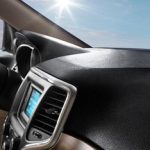 Buyers in the used car market evaluate vehicles based on condition, reliability, and presentation, all of which can be influenced by relatively low-cost upgrades.
 - Are Electric Vehicles Worth It? Cost, Performance, and Ownership Analysis
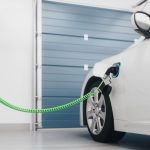 The question of whether electric vehicles are worth it has become increasingly relevant as governments, manufacturers, and consumers shift toward electrification.
 - Buying a Pre-Owned Mercedes-Benz or Jeep Wrangler
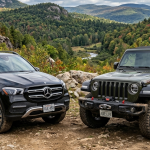 When considering a pre-owned vehicle, two names often emerge for very different reasons: Mercedes-Benz and Jeep Wrangler. One represents refined luxury and engineering excellence, while the other is synonymous with rugged capability and adventure.
 - Car Financing Options. Loans, Leases, and Payment Plans Demystified
 Walking into a car dealership or browsing online listings is exciting, but figuring out how to pay for your new vehicle can feel daunting. The world of auto financing is filled with term
 - Car Overheating Causes: Why Your Engine Overheats and How to Fix It
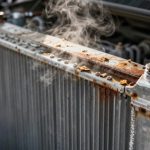 Understanding car overheating causes is critical for preventing serious engine damage and maintaining long-term vehicle reliability. Overheating occurs when the engine exceeds its normal operating temperature, often due to cooling system failures or poor maintenance. Engine overheating is not merely an inconvenience—it is a critical mechanical condition that can escalate rapidly into severe and irreversible… Read more: Car Overheating Causes: Why Your Engine Overheats and How to Fix It