

In markets where EV adoption is still developing, such as many parts of Africa, the decision becomes even more complex. Factors such as charging infrastructure availability, electricity reliability, and maintenance expertise play a critical role. A structured analysis of these variables is necessary to determine whether EV ownership delivers tangible value under real-world conditions.
The question of whether electric vehicles are worth it has become increasingly relevant as governments, manufacturers, and consumers shift toward electrification. Electric vehicles (EVs) are positioned as a technologically advanced alternative to internal combustion engine (ICE) vehicles, offering reduced emissions, lower operating costs, and improved energy efficiency. However, the decision to invest in an EV is not solely based on environmental considerations; it involves a comprehensive evaluation of cost, infrastructure, performance, and long-term ownership implications.
Electric Vehicles Are They Worth the Investment – The Upfront Cost Reality


The most immediate barrier to EV ownership is the higher purchase price. Even with falling battery costs, a new electric vehicle typically costs significantly more than a comparable petrol or diesel model.
In Uganda, import taxes and limited local stock can further inflate prices. However, some buyers can access used EVs from markets like Japan or Europe, which reduces the entry cost. The key is to compare the total cost of ownership, not just the showroom price.
Lower Running Costs: Electricity vs. Fuel
Electricity is cheaper than petrol or diesel per kilometre driven no matter the crisis. An EV can cost about one‑third as much to “fuel” as a conventional car, depending on local electricity tariffs. In Uganda, where fuel prices are volatile, this difference can add up quickly for high‑mileage drivers.
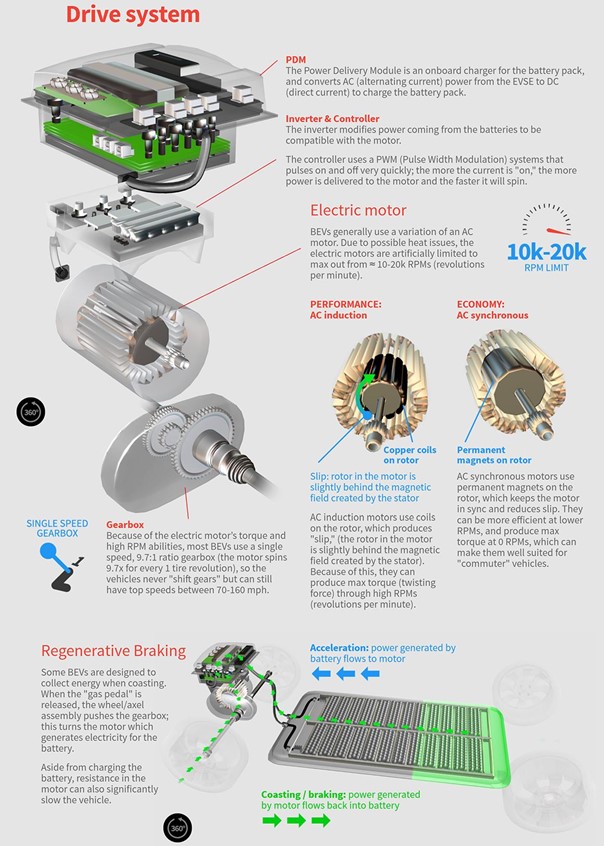
Moreover, electric motors have far fewer moving parts than internal combustion engines. There are no oil changes, no timing belts, no exhaust systems, and no spark plugs. This dramatically reduces routine maintenance expenses over the life of the vehicle.
Charging Infrastructure in Uganda – A Realistic Assessment
The biggest practical challenge for EV adoption in Uganda is the lack of public charging stations. Outside of a few locations in Kampala and Entebbe, fast chargers are almost non‑existent. Most current EV owners charge at home using a standard wall outlet, which can take eight to twelve hours for a full charge.
For drivers who only use their vehicle for commuting and local errands, this is manageable. For long‑distance travellers, however, range anxiety remains a genuine concern. Until the charging network expands, EVs are best suited for urban and suburban use.
Battery Life and Replacement Costs
EV batteries degrade over time, losing range and efficiency. Most modern batteries are designed to last eight to ten years or 150,000 to 200,000 kilometres. Replacement batteries are costly, often between five thousand and fifteen thousand US dollars.
However, many manufacturers offer long warranties on battery packs, and the used market is developing for refurbished units. When evaluating whether electric vehicles are worth the investment, factor in expected battery life and the possibility of selling the car before the battery needs replacement.
Environmental Benefits and Social Responsibility
Beyond personal finances, EVs offer clear environmental advantages. They produce zero tailpipe emissions, which improves urban air quality and reduces your carbon footprint. In a country like Uganda, where a large portion of electricity comes from renewable hydro power, the well‑to‑wheel emissions of an EV are significantly lower than those of a petrol car. For environmentally conscious consumers, this social benefit can tip the scales, even if the financial case is not yet overwhelming.
Resale Value and Depreciation
Electric vehicles have historically depreciated faster than petrol cars, partly because of rapid technological improvements and consumer fear of battery degradation. More recent models from established brands like Tesla, BMW, and Nissan are holding value better.
In Uganda’s used car market, EVs remain a niche product, so resale may take longer and prices may be less predictable. As the market matures and charging infrastructure improves, this situation is likely to change. Early adopters should be prepared for higher uncertainty in resale value.
Which Drivers Benefit Most from an EV?
If you have off‑street parking with access to reliable electricity, drive less than 200 kilometres per day, and plan to keep the vehicle for at least five years, an EV can be a solid investment. Taxi fleets, delivery services, and companies with predictable daily routes can also realize significant fuel savings.
On the other hand, if you frequently travel long distances to remote areas, or if you cannot install a home charger, a hybrid or modern diesel may be a more practical choice.
Government Incentives and Future Outlook
Several African countries are beginning to offer tax breaks or reduced import duties for electric vehicles. Uganda’s government has shown interest in promoting green transport, though concrete incentives are still limited.
As battery prices continue to fall and charging infrastructure slowly expands, the value proposition of EVs will only improve. Waiting another two to three years may yield better affordability and more choices, but early adopters can still enjoy low running costs and a quiet, smooth driving experience today.
Are They Worth It for You?
The answer to whether electric vehicles are they worth the investment is not a simple yes or no. For urban drivers with home charging and moderate daily mileage, an EV can save substantial fuel and maintenance costs over time.
For rural drivers or those who frequently travel long distances, the current charging gaps make a conventional vehicle more practical. Test drive an EV, calculate your specific fuel and maintenance savings, and consider your daily driving patterns. With that information, you can make a confident, informed decision.
Also read about;
- 5 Affordable Upgrades to Boost Your Car’s Resale Value Fast
 Buyers in the used car market evaluate vehicles based on condition, reliability, and presentation, all of which can be influenced by relatively low-cost upgrades.
 - How to Choose the Right Car for Your Lifestyle: Complete Buyer Guide
 Understanding how to choose the right car is a critical decision that extends beyond personal preference or brand perception. A vehicle represents a long-term investment that must align with the driver’s lifestyle, financial capacity, and operational requirements.
 - How to Avoid Scams When Buying a Used Car: Complete Safety Guide
 In emerging markets and high-demand environments, these risks can be amplified due to informal sales channels and limited verification systems.
 - Are Electric Vehicles Worth It? Cost, Performance, and Ownership Analysis
 The question of whether electric vehicles are worth it has become increasingly relevant as governments, manufacturers, and consumers shift toward electrification.
 - Jeep Wrangler vs Toyota Land Cruiser – Which Off‑Road King Wins?
 Compare Jeep Wrangler vs Toyota Land Cruiser for off-road performance, durability, and reliability. Discover which SUV is best for tough terrain.
 - Car Won’t Start: Causes, Common Problems, and How to Fix Them
 A vehicle that fails to start presents both an inconvenience and a diagnostic challenge. The starting process depends on multiple interconnected systems, and failure in any one of them can prevent the engine from starting.
 - SUV vs Sedan: Which is Better for Ugandan Roads?
 Choosing between an SUV vs sedan in Uganda requires careful consideration of road conditions, fuel costs, and driving needs
 - Car Overheating Causes: Why Your Engine Overheats and How to Fix It
 Understanding car overheating causes is critical for preventing serious engine damage and maintaining long-term vehicle reliability. Overheating occurs when the engine exceeds its normal operating temperature, often due to cooling system failures or poor maintenance. Engine overheating is not merely an inconvenience—it is a critical mechanical condition that can escalate rapidly into severe and irreversible… Read more: Car Overheating Causes: Why Your Engine Overheats and How to Fix It