
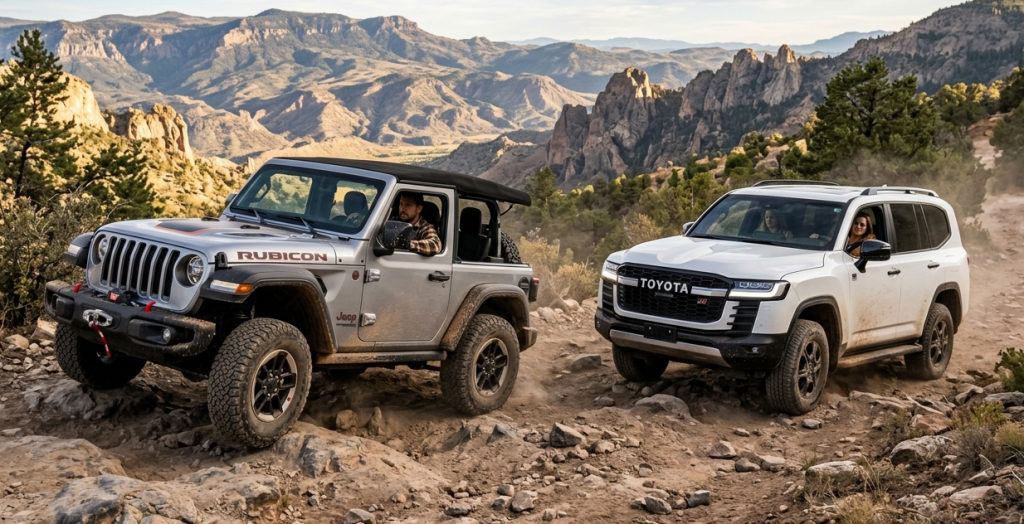
Few debates ignite the off‑road community like the face‑off between the Jeep Wrangler and the Toyota Land Cruiser. Both vehicles have legendary reputations, but they cater to different philosophies of adventure. The Wrangler is a purpose‑built trail machine, while the Land Cruiser is a luxury‑laden expedition vehicle. This article provides a detailed comparison to help you decide which off‑road king truly wins.
Off‑Road Heritage and Philosophy
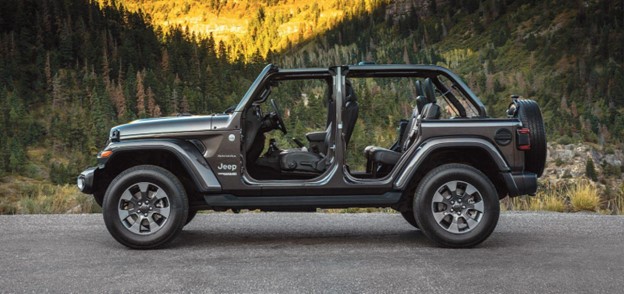
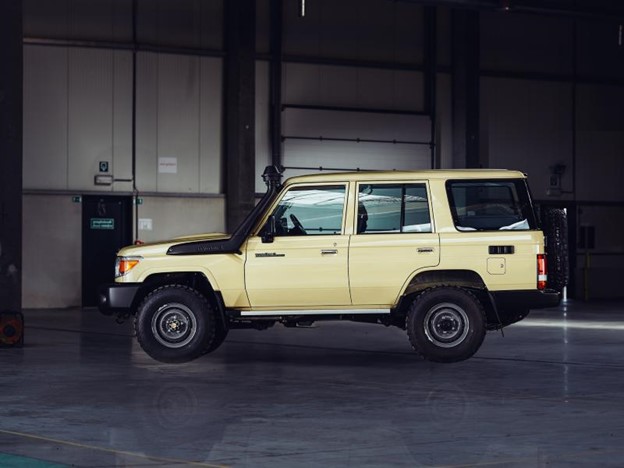
The Jeep Wrangler traces its lineage directly to the World War II Willys MB, a lightweight, go‑anywhere vehicle. Its DNA is pure off‑road: solid axles, removable doors, and a minimalist interior. The Land Cruiser began as a Toyota copy of the Jeep but evolved into a heavy‑duty overlanding machine. It was designed to cross deserts and jungles for decades without breaking.
The Wrangler prioritizes articulation, ground clearance, and extreme approach angles. The Land Cruiser prioritizes long‑range comfort, cargo capacity, and bulletproof reliability. Both are kings, but they rule different kingdoms.
Off‑Road Hardware Comparison
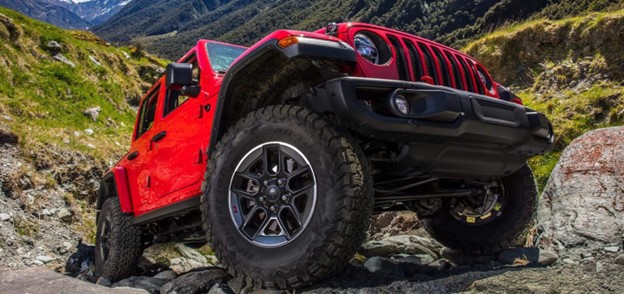
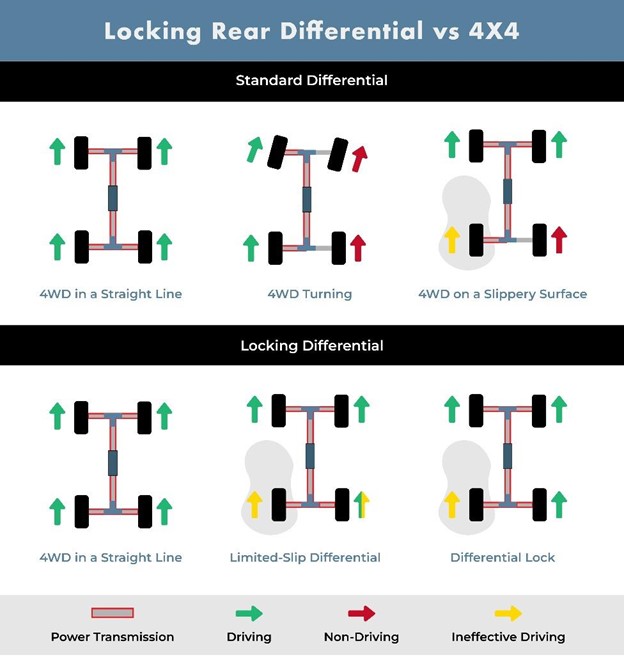
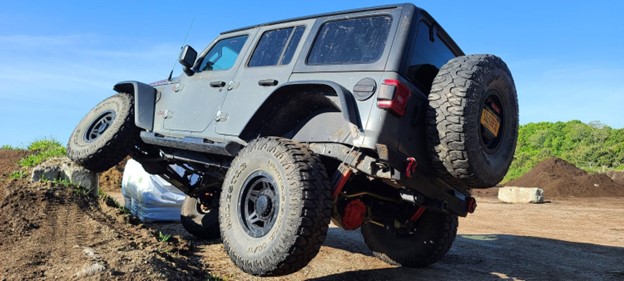
A Jeep Wrangler Rubicon comes equipped with solid Dana 44 axles front and rear. This setup provides exceptional wheel articulation on uneven terrain. It also features an electronic sway bar disconnect and locking front and rear differentials. The Rock‑Trac 4:1 transfer case gives an extremely low crawl ratio for technical rock crawling.
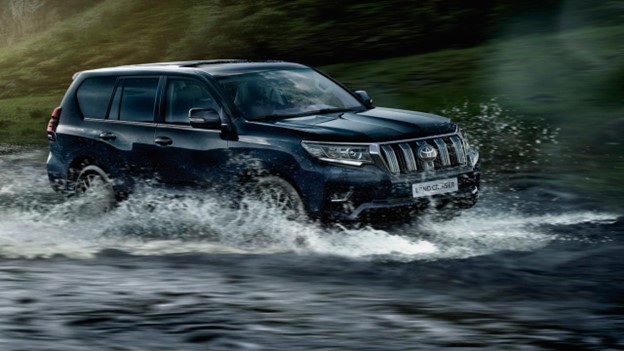
The Toyota Land Cruiser 200 or 300 Series GR Sport uses independent front suspension. This delivers superior on‑road comfort but limits wheel articulation compared to a solid axle. Its Kinetic Dynamic Suspension System (KDSS) automatically adjusts sway bar stiffness for more off‑road flex. Multi‑Terrain Select and Crawl Control are also included.
The Wrangler Rubicon achieves an approach angle of up to 44 degrees and a departure angle of 37 degrees. The Land Cruiser’s approach angle is around 32 degrees, with a departure angle of about 25 degrees. For extreme trails where articulation and ground clearance matter most, the Wrangler is more capable.
Reliability and Durability
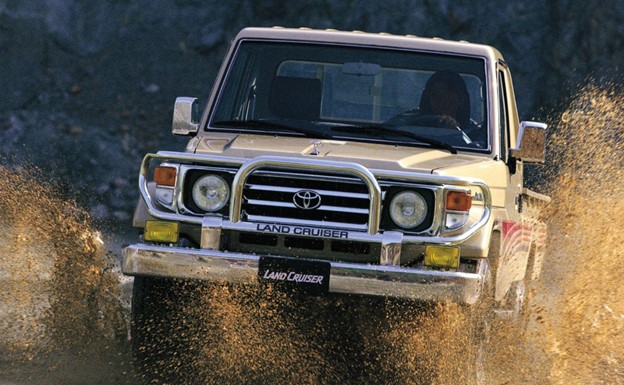
The Land Cruiser has earned a global reputation for lasting 300,000 miles or more with basic maintenance. Parts are available across Africa, and the vehicle tolerates poor fuel quality and extreme heat. The Jeep Wrangler has improved significantly, especially with the 3.6‑litre Pentastar V6 engine.
However, the Wrangler still suffers from occasional electronic gremlins and a less robust cooling system for heavy overlanding. A well‑maintained Land Cruiser can exceed 400,000 kilometres before major work is needed. A Wrangler might be ready for retirement around 250,000 kilometres.
For customers who plan long‑distance trips through remote regions of Uganda, Kenya, or Tanzania, the Land Cruiser is the safer bet. Resale value in Uganda also favours the Land Cruiser, which commands a premium even after many years of use.
On‑Road Comfort and Daily Driving
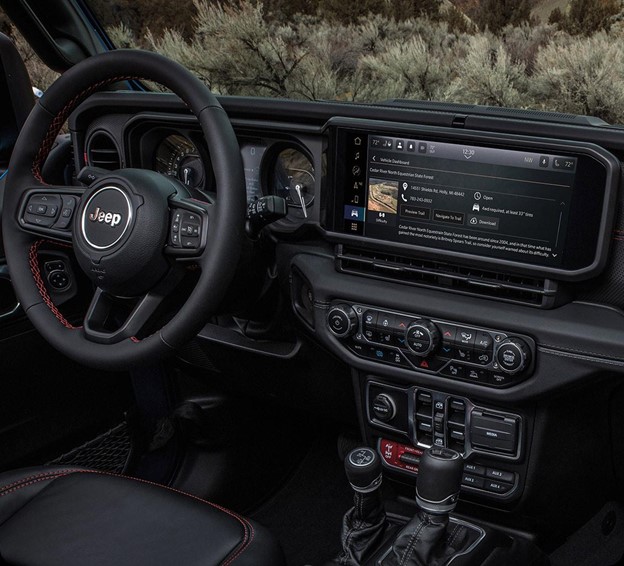
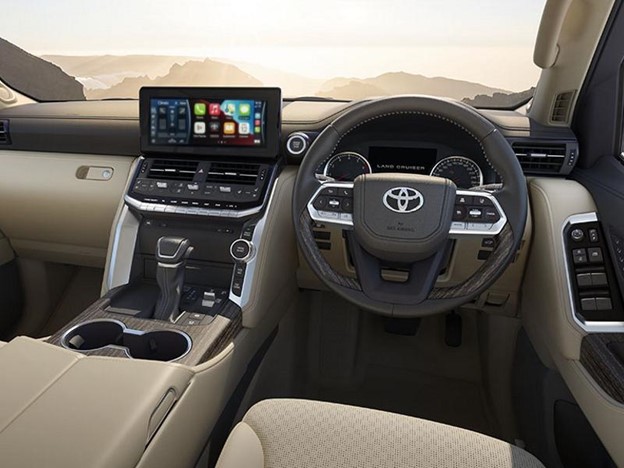
Most sport utility vehicles spend 90% of their time on tarmac, and here the Land Cruiser shines. Its independent front suspension and extensive sound‑deadening materials create a quiet, comfortable ride. Even on rough highways, the Land Cruiser absorbs bumps with composure.
The Wrangler, by contrast, is a compromise. Its solid axles transmit road imperfections directly to the cabin. Wind noise from the boxy shape and removable hardtop is noticeable at highway speeds. Later JL‑model Wranglers have improved insulation, but they still cannot match the Land Cruiser’s plushness.
If you plan to use your off‑roader as a daily driver and family car, the Land Cruiser is the clear winner. The Wrangler is better suited to being a weekend toy that you accept as noisy and firm on the road for the sake of unmatched trail capability.
Which One Should You Buy in Uganda?
Your decision should be based on your primary mission. Choose the Jeep Wrangler if you are an enthusiast who wants to tackle extreme trails such as rock crawling or deep mud bogs. Also choose it if you value modularity, such as removing doors, roof, and windshield for open‑air driving.
Choose the Toyota Land Cruiser if you need a family‑friendly overlander with room for luggage and passengers. Also choose it if you plan long expeditions across remote borders where reliability and parts availability are your top concerns. The Land Cruiser serves equally well as a daily driver and a weekend adventurer.
Cost of Ownership in the Ugandan Market
A used Jeep Wrangler Unlimited from the 2015–2018 period typically sells for between 70 million and 120 million Uganda shillings. A Toyota Land Cruiser 200 from 2010–2015 will cost between 120 million and 200 million shillings. Service parts for both are moderately priced when you buy genuine components.
Fuel consumption is comparable, with the Wrangler averaging 12 to 14 litres per 100 kilometres. The Land Cruiser consumes 13 to 16 litres per 100 kilometres. Insurance costs are lower for the Wrangler due to its lower purchase price. However, the Land Cruiser’s superior longevity often results in a lower total cost per kilometre over a long ownership period.
Conclusion – Two Kings, Different Thrones
In the Jeep Wrangler versus Toyota Land Cruiser debate, there is no single winner. The Wrangler is the off‑road specialist, a focused trail weapon that sacrifices on‑road refinement for extreme capability. The Land Cruiser is the off‑road generalist, excelling on pavement while handling rough tracks with confidence. For Ugandan drivers who regularly traverse the roughest tracks and also need a vehicle for daily duties, the Land Cruiser is often the wiser choice. For the purist who cares only about conquering the next rock garden, the Wrangler remains unbeatable. Test drive both and decide which compromises you are willing to accept.
Also read about
- Why Toyota Dominates the African Car Market, The Unstoppable Reign of Reliability
 From cities to villages, mines to farms, one brand dominates Africa’s roads—Toyota. But how did a Japanese automaker become the automotive heartbeat of a continent?
 - Why Fleet Management is a Game-Changer for Businesses
 In an era where operational efficiency and cost management directly determine competitive advantage, businesses operating vehicle fleets face unique challenges.
 - Top 5 Family-Friendly Cars in 2025 (Toyota, Jeep, Mercedes-Benz)
 Choosing the perfect family car is no easy task—it needs space, safety, comfort, and reliability
 - Tire Maintenance, When to Replace vs. Repair – A Complete Guide
 Not every puncture is a death sentence for a tire. A repair is a cost-effective solution, but only under specific conditions